-
 play_arrow
Stream 1 Eindhoven
-
play_arrow
Stream 2 Waalwijk
-
play_arrow
Stream 3 Drunen
-
play_arrow
Stream 4 Naaldwijk


The Street Scene of the 1980s: Culture, Style, and the Headlines That Shaped a Decade


The streets of the 1980s were alive with color, attitude, and rapid change. It was a decade when fashion, music, politics, and youth culture collided in public spaces, turning city streets into open-air stages of self-expression. From neon lights reflecting off wet pavement to booming cassette players and graffiti-covered subway cars, the urban landscape became the visual and emotional backdrop of a generation coming of age in a fast-moving world.
Fashion was perhaps the most visible marker of the era. Bold colors, oversized silhouettes, and experimental materials dominated everyday wear. Young people embraced tracksuits, leather jackets, ripped denim, and high-top sneakers, often inspired by musicians and film stars. Hairstyles were just as dramatic big hair, perms, mullets, and vivid makeup turned heads and made statements. Clothing was no longer just practical; it was a declaration of identity, rebellion, or belonging.
Music culture spilled out of clubs and onto sidewalks. Portable cassette players and massive boomboxes allowed people to carry their soundtracks with them, transforming parks, plazas, and street corners into spontaneous dance floors. Hip-hop, which had emerged in the late 1970s, exploded during the 1980s as breakdancers spun on cardboard mats and DJs mixed beats in block parties. Artists like Run-D.M.C. and Public Enemy gave voice to urban realities, while their style influenced everything from footwear to language.
Graffiti transformed blank walls and subway trains into moving galleries of color and commentary. Though controversial and often illegal, it became a powerful form of artistic expression and social messaging. Murals and tags spoke of identity, territory, protest, and pride, reflecting the tensions and aspirations of inner-city life.
Beyond style and music, the headlines of the decade also shaped the mood of the streets. Economic shifts, rising consumer culture, and technological advances influenced daily life. Cold War anxieties, nuclear fears, and political debates were constant topics of conversation, even among young people. At the same time, global events such as the fall of the Berlin Wall signaled dramatic change and a sense that history itself was unfolding in real time.
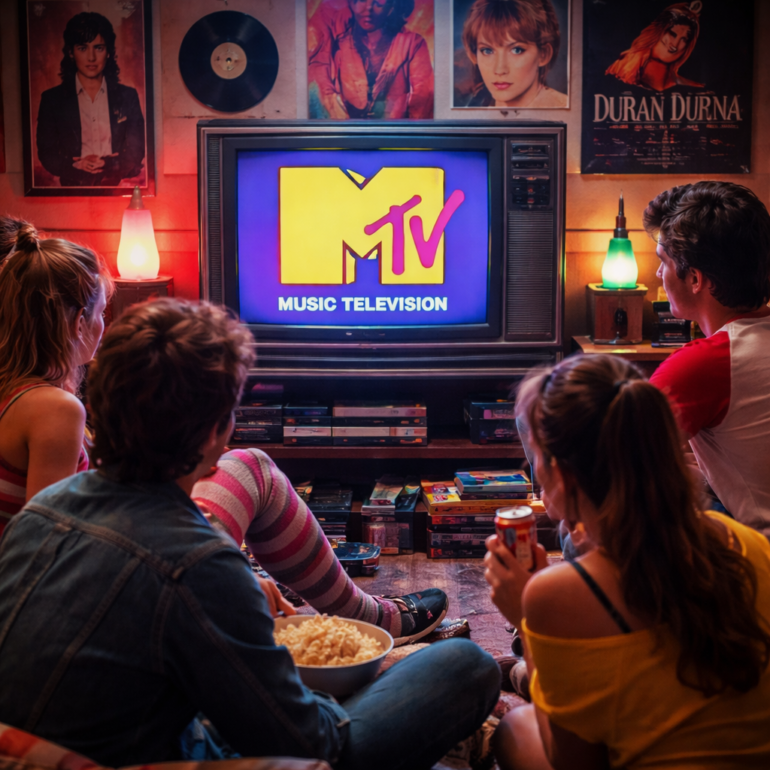
Film and television reinforced the street aesthetic. Movies set in urban environments showcased skateboards, arcades, diners, and neon-lit boulevards, while crime dramas portrayed both the glamour and danger of city life. These images fed back into reality, influencing how people dressed, moved, and interacted in public spaces.
Perhaps most importantly, the street scene of the 1980s represented a newfound visibility of youth culture. Teenagers and young adults were no longer passive consumers; they were trendsetters shaping fashion, slang, and music from the ground up. Subcultures punks, new wavers, metalheads, hip-hop crews, and skaters each carved out their own territory, sometimes clashing but often coexisting in a vibrant urban mosaic.
By the end of the decade, the streets had witnessed profound transformation. Technology was beginning to move entertainment indoors, but the legacy of the 1980s street culture remained unmistakable. Its bold aesthetics, DIY creativity, and fearless individuality continue to influence fashion, music, and visual culture today.
The street scene of the 1980s was more than a backdrop; it was a living, breathing reflection of a society in transition loud, colorful, uncertain, and electrifying. It captured the spirit of a generation determined to be seen, heard, and remembered.