-
 play_arrow
Stream 1 Eindhoven
-
play_arrow
Stream 2 Waalwijk
-
play_arrow
Stream 3 Drunen
-
play_arrow
Stream 4 Naaldwijk


The Icons of the 1970s and 1980s: Legendary Singers and Bands That Defined a Generation
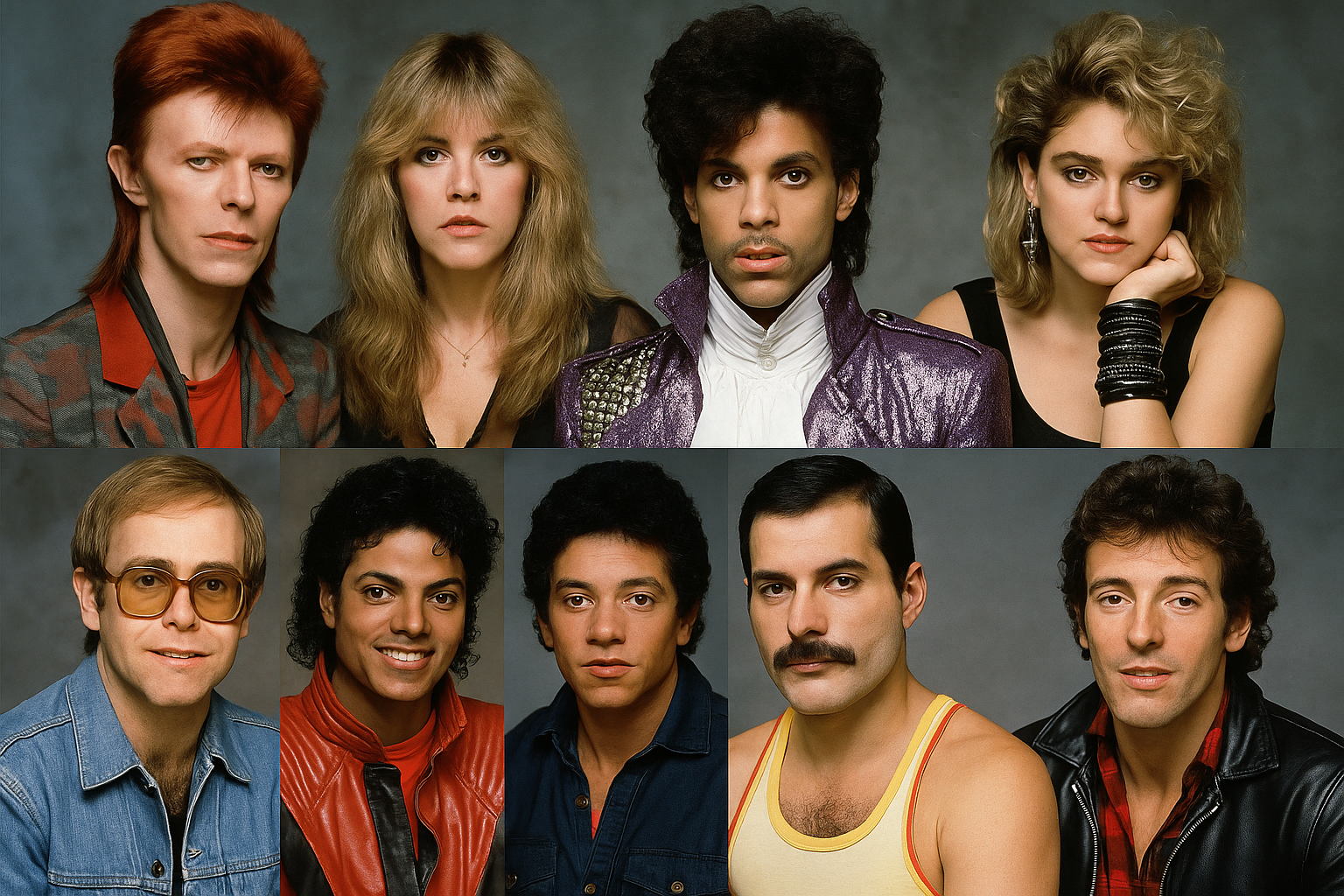

The 1970s and 1980s were two of the most transformative decades in modern music history. It was a time when sound, style, and technology evolved at an unprecedented pace, producing artists whose influence still echoes through today’s charts. From the raw energy of rock to the glitter of disco and the synth-driven pulse of new wave, these decades gave rise to icons who did more than entertain they defined an era and shaped the identity of an entire generation.
In the 1970s, music became both more experimental and more personal. Bands like Led Zeppelin pushed rock into heavier, more complex territory, blending blues roots with thunderous riffs and epic compositions. Meanwhile, Queen reimagined what a rock band could be, combining theatrical flair with virtuosic musicianship. Their frontman, Freddie Mercury, captivated audiences with his extraordinary voice and flamboyant stage presence, turning concerts into unforgettable spectacles.
At the same time, disco emerged as a global phenomenon. Artists like ABBA and Bee Gees dominated dance floors worldwide with polished harmonies, infectious melodies, and shimmering production. Disco was more than music it was fashion, nightlife, and cultural liberation rolled into one, offering an escape from economic uncertainty and social tension.
As the 1980s arrived, a technological revolution transformed the industry. Synthesizers, drum machines, and digital recording techniques created a bold new sound that felt futuristic and electrifying. Bands such as Duran Duran and Depeche Mode became pioneers of new wave and synth-pop, crafting sleek, atmospheric tracks that defined the decade’s sonic identity.
Equally important was the rise of the music video. With the launch of MTV in 1981, visual image became as crucial as sound. Artists like Michael Jackson revolutionized performance with cinematic videos and groundbreaking choreography. His album Thriller became the best-selling record of all time, cementing his status as the “King of Pop.” Meanwhile, Madonna reshaped pop culture through bold reinvention, controversial imagery, and a relentless drive to push boundaries.
Rock continued to evolve as well. Groups such as U2 brought emotional depth and political awareness to arena-sized audiences, while acts like Bon Jovi delivered anthems that captured youthful ambition and resilience. These songs became the soundtrack of road trips, school dances, and late-night radio, embedding themselves in everyday life.
What made these artists truly iconic was not only their chart success but their ability to connect with people across cultures and generations. Their music expressed hope, rebellion, romance, and freedom universal emotions that resonated deeply in a rapidly changing world. Fashion, hairstyles, and even attitudes were shaped by these performers, turning them into symbols of identity as much as entertainers.
Decades later, the legacy of the 1970s and 1980s remains unmistakable. Contemporary musicians still draw inspiration from their sounds, aesthetics, and bold creativity. Whether through sampled beats, retro synth textures, or stadium-sized choruses, the spirit of those years continues to live on.
Ultimately, the legendary singers and bands of the 1970s and 1980s did more than produce hit records. They created a cultural soundtrack that defined a generation a vibrant, unforgettable era when music felt larger than life and the possibilities seemed endless.